An office complex is a commercial property designed to accommodate multiple businesses, companies, professionals, and organisations within one planned development. Unlike a standalone office building, an office complex typically provides shared infrastructure, facilities, services, and common areas for its occupants.
Office complexes are increasingly common in major cities and growing business locations because they offer businesses access to professional workspaces without requiring them to develop or manage an entire building themselves.
For startups, small businesses, established companies, and professional service providers, choosing the right office complex can influence employee convenience, client experience, operating costs, and long-term business growth.
What Is an Office Complex?
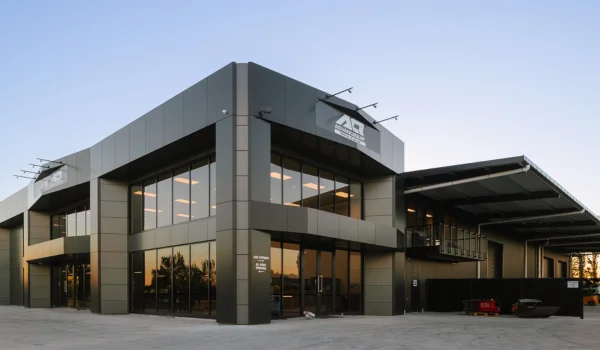
An office complex is a commercial development containing multiple office spaces or business units within one property or group of connected buildings.
Depending on its size and design, an office complex may include:
- Corporate offices
- Small business offices
- Professional service firms
- Startups and coworking spaces
- Banks and financial services
- Consulting firms
- Technology companies
- Training centres
- Cafés and restaurants
- Supporting retail and service businesses
Most office complexes also provide shared facilities such as parking, elevators, security, reception areas, power backup, common spaces, and building maintenance.
The exact facilities depend on the property and its management.
How Does an Office Complex Work?
The basic concept is simple. A developer or property owner provides multiple commercial spaces within a planned building or development. Different businesses occupy these spaces through ownership, leasing, or rental arrangements.
The property may have a dedicated management team responsible for:
- Common-area maintenance
- Security
- Cleaning
- Parking management
- Repairs
- Building services
- Utility management
- Access control
- General property operations
This allows individual businesses to focus primarily on their own operations instead of managing the entire building.
Benefits of an Office Complex for Businesses
- Professional Business Environment
An organised office complex can provide a more professional setting than an isolated or poorly maintained commercial property.
A well-maintained entrance, reception area, signage, elevators, parking, and common spaces can create a positive impression among clients, customers, employees, and business partners.
This can be particularly important for businesses that regularly meet clients at their offices.
- Better Infrastructure
Office complexes are generally developed with business operations in mind.
Depending on the property, businesses may have access to:
- Reliable electricity
- Power backup
- High-speed internet infrastructure
- Elevators
- Air conditioning systems
- Security systems
- Fire-safety arrangements
- Parking
- Common meeting or waiting areas
Having these facilities already available can make setting up an office easier.
- Shared Facilities Can Reduce Costs
A business operating from a standalone building may need to manage many facilities independently.
In an office complex, several costs and responsibilities can be shared across multiple occupants.
For example, businesses may collectively use:
- Security personnel
- Parking areas
- Elevators
- Common lighting
- Cleaning services
- Building maintenance
- Reception or access-control systems
This does not automatically make an office complex cheaper, but shared infrastructure can make property management more convenient.
- Convenient Location
Many office complexes are developed in established commercial areas with access to major roads, public transportation, residential neighbourhoods, and other business facilities.
A convenient location can help employees reach the office more easily and make it simpler for clients and visitors to find the business.
Location remains important, however. An office complex with excellent facilities may still be unsuitable if it is difficult to access.
- Parking and Accessibility
Parking can be an important consideration for businesses, especially in busy urban areas.
A professionally planned office complex may provide dedicated or shared parking facilities for employees, clients, and visitors.
Other accessibility features may include:
- Clear entrances and exits
- Elevators
- Pedestrian access
- Signage
- Accessible facilities
- Visitor parking
Good accessibility can improve the daily experience of both employees and visitors.
- Networking Opportunities
An office complex brings multiple businesses together under one property.
This can create opportunities for professional networking and business relationships.
For example, a consulting firm may share a building with a technology company, financial service provider, marketing agency, or legal practice.
Although networking is never guaranteed, being surrounded by other businesses can create opportunities for:
- Referrals
- Partnerships
- Vendor relationships
- Professional connections
- Business-to-business services
This can be particularly useful for smaller companies and growing businesses.
- Access to Supporting Businesses
Many office complexes include or are located near cafés, restaurants, banks, convenience stores, pharmacies, gyms, and other services.
These facilities can make the working environment more convenient.
Employees may be able to access food and everyday services without travelling far from the office.
Clients and visitors can also benefit from having supporting facilities nearby.
- Flexible Space Options
Office complexes often contain units of different sizes.
A small company may start with a compact office and later move into a larger unit within the same development.
This can provide businesses with more flexibility as their workforce and operational requirements change.
However, available options vary from one property to another.
Office Complex vs Standalone Office
An office complex and standalone office can both work well, depending on the business.
| Factor | Office Complex | Standalone Office |
| Shared facilities | Usually available | Usually managed independently |
| Business environment | Multiple businesses | More private |
| Networking | Potentially higher | Limited |
| Maintenance | Often centrally managed | Owner/occupant responsibility |
| Privacy | Moderate | Generally higher |
| Customisation | May have restrictions | Usually greater flexibility |
| Parking | Shared or designated | Depends on property |
| Operating convenience | Often higher | Depends on management |
The better option depends on the business’s budget, privacy requirements, customer profile, workforce, and operational needs.
Who Can Benefit From an Office Complex?
Office complexes can suit many types of businesses, including:
Startups and Small Businesses
They can obtain a professional office without taking responsibility for an entire building.
Professional Services
Law firms, consultants, accountants, architects, designers, and similar professionals can benefit from client-friendly locations and professional surroundings.
Corporate Offices
Larger businesses may use office complexes when they require organised infrastructure and convenient access for employees and visitors.
Service Businesses
Training centres, financial services, recruitment firms, technology companies, and other service-oriented businesses can also operate effectively from office complexes.
What Should Businesses Check Before Choosing an Office Complex?
Before renting or buying office space, businesses should evaluate:
- Location and connectivity
- Monthly rent or purchase price
- Maintenance charges
- Parking availability
- Power backup
- Internet connectivity
- Security
- Fire-safety arrangements
- Elevator availability
- Office layout
- Expansion options
- Building operating hours
- Visitor access
- Nearby services
- Lease or ownership terms
Businesses should also consider whether the surrounding tenant mix matches their professional image and customer expectations.
Frequently Asked Questions
What is an office complex?
An office complex is a commercial development containing multiple offices or business spaces along with shared infrastructure and facilities.
Is an office complex suitable for small businesses?
Yes. Small businesses can benefit from professional surroundings, shared facilities, convenient locations, and access to other businesses.
What facilities are commonly available in an office complex?
Facilities may include parking, elevators, security, power backup, internet infrastructure, common areas, maintenance services, and fire-safety systems.
Is an office complex better than a standalone office?
There is no universal answer. An office complex may be better for businesses seeking shared facilities and convenience, while a standalone office may suit businesses that require greater privacy and control.
Does an office complex help business growth?
It can provide a professional environment, convenient infrastructure, networking opportunities, and access to a wider business ecosystem. Actual business growth still depends on factors such as management, market demand, location, and business strategy.
Final Thoughts
An office complex provides businesses with more than just physical workspace. It combines offices with shared infrastructure, professional surroundings, accessibility, and a wider commercial ecosystem.
For businesses that value convenience, professional presentation, and access to shared facilities, an office complex can be a practical choice. It can also provide networking opportunities and make everyday operations easier for employees and visitors.
However, not every office complex will suit every business. Location, infrastructure, parking, costs, accessibility, tenant mix, and future space requirements should all be considered before making a decision.
The right office complex should support the way a business operates today while also providing enough flexibility for its future needs.