For professional businesses, the workplace is more than just a physical address. It can influence how clients perceive the company, how employees experience their daily work, and how efficiently the business operates.
Law firms, financial advisors, consultants, technology companies, healthcare practices, agencies, and other service-based businesses often look for premises that offer more than four walls and basic utilities. They want a professional environment with reliable infrastructure, convenient access, parking, security, and proper maintenance.
This is one reason organized commercial complexes have become an attractive option for many professional businesses. By combining multiple offices and services within a planned development, these complexes can create an environment that supports both business operations and client experience.
What Is an Organized Commercial Complex?
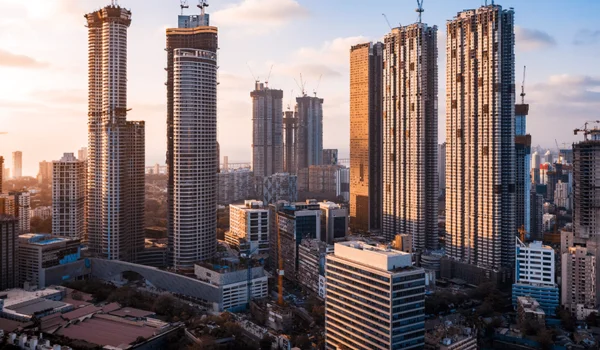
An organized commercial complex is a planned commercial development where offices, shops, service businesses, and other commercial establishments operate within a structured property.
Unlike an unplanned commercial area, an organized complex generally has defined systems for common facilities, parking, security, maintenance, access, signage, and building management.
The exact facilities vary from one complex to another, but the overall objective is to create a convenient and professional business environment.
- Creates a Professional Business Image
A company’s physical surroundings can affect first impressions.
When clients visit an office located in a clean, well-maintained commercial complex, the overall environment can contribute to a sense of professionalism.
For businesses that regularly meet clients, partners, investors, or other professionals, this can be particularly important.
A suitable commercial complex can provide:
- A professional building appearance
- Organized entrances and common areas
- Proper signage
- Reception and waiting areas
- Clean surroundings
- Better security
- Convenient customer access
These elements can support the professional image that businesses want to build.
- Convenient Client Access
Professional businesses often depend on regular meetings and appointments.
Clients may not want to visit an office that is difficult to locate, has poor road connectivity, or offers inadequate parking.
An organized commercial complex can make the client journey easier through better entry and exit arrangements, clear signage, parking, elevators, and common access areas.
For businesses such as consulting firms, law offices, financial services, architects, and healthcare practices, client convenience can directly influence the overall experience.
- Better Parking Facilities
Parking is an important consideration for businesses that receive visitors throughout the day.
A well-planned commercial complex may provide shared or designated parking for customers, employees, and visitors.
This can be particularly valuable in busy urban areas where finding street parking is difficult.
Businesses should still verify actual parking availability before selecting a property because parking standards can vary considerably between developments.
- Reliable Shared Infrastructure
Professional businesses need dependable infrastructure to operate efficiently.
Organized commercial complexes may provide shared facilities such as:
- Elevators
- Power backup
- Security systems
- Fire-safety infrastructure
- Water supply
- Common lighting
- Internet connectivity
- Waste management
- Building maintenance
Instead of handling every facility independently, businesses can operate within an environment where many basic building requirements are centrally managed.
- Better Security
Security becomes especially important when businesses maintain valuable equipment, confidential documents, or receive clients regularly.
Organized complexes may have security personnel, CCTV systems, controlled access points, and visitor management arrangements.
These facilities can provide an additional layer of security for both employees and visitors.
However, businesses should always evaluate the actual security practices of a complex rather than assuming that every organized development provides the same level of protection.
- Cleaner and Better-Maintained Surroundings
The condition of a commercial property affects the daily experience of everyone using it.
Poorly maintained corridors, damaged common areas, inadequate lighting, or unmanaged waste can create an unprofessional impression.
Professional commercial complexes generally have dedicated systems for cleaning, repairs, landscaping, waste management, and common-area maintenance.
Good maintenance can help businesses present a consistent professional environment to clients and employees.
- Access to Other Businesses
One of the less obvious benefits of a commercial complex is the concentration of different businesses in one location.
A professional office may operate near:
- Banks
- Restaurants
- Cafés
- Retail stores
- Technology companies
- Financial service providers
- Consultants
- Healthcare businesses
This creates a broader business ecosystem.
Employees can access everyday services nearby, while businesses may discover opportunities for referrals, partnerships, and professional relationships.
- Networking and Collaboration Opportunities
Being surrounded by other businesses can create informal networking opportunities.
For example, a marketing agency may collaborate with a design company, while an accounting firm may provide services to another business operating in the same complex.
These relationships may eventually lead to:
- Client referrals
- Partnerships
- Vendor relationships
- Joint projects
- Professional connections
For small and medium-sized professional businesses, local networking can be particularly valuable.
- Better Employee Experience
A professional workplace is also important for employees.
Good connectivity, parking, food options, clean common areas, security, elevators, and nearby services can make daily commuting and working more convenient.
An organized commercial complex can therefore contribute to a better overall workplace experience.
This can be useful for businesses that want to attract and retain employees while operating from a central commercial location.
- Easier Business Operations
Property-related responsibilities can consume time and resources.
When common facilities are professionally managed, businesses may spend less time dealing with issues related to shared areas, security, cleaning, parking, and routine maintenance.
This allows business owners and employees to focus more on their actual work.
However, management quality matters. A poorly managed complex can create the opposite experience, even if the building itself looks attractive.
- Better Visibility for Client-Facing Businesses
Professional businesses may also benefit from being located in a recognized commercial development.
Clear building signage, directory systems, accessible entrances, and a visible office location can make it easier for clients to find the business.
This can be particularly helpful for businesses that depend on appointments or repeat visits.
Visibility should not be confused with guaranteed customer traffic, however. Professional businesses should choose a location according to their actual customer and client requirements.
- Suitable for Different Professional Businesses
Organized commercial complexes can accommodate many types of professional businesses.
They may be suitable for:
| Business Type | Potential Benefit |
| Law firms | Professional client environment |
| Consulting firms | Meeting and office facilities |
| Financial services | Accessibility and professional image |
| IT companies | Office infrastructure and connectivity |
| Marketing agencies | Networking and flexible office space |
| Healthcare practices | Client access and parking |
| Architects | Professional workspace |
| Real estate firms | Visibility and customer convenience |
The ideal complex will depend on the business’s specific requirements.
What Should Businesses Check Before Choosing a Complex?
Professional businesses should evaluate more than the appearance of the building.
Important factors include:
- Location and connectivity
- Parking availability
- Total rent or purchase cost
- Maintenance charges
- Internet and power reliability
- Security arrangements
- Fire safety
- Building management
- Office layout and usable space
- Signage and visibility
- Tenant mix
- Lease or ownership conditions
- Future expansion possibilities
Visiting the property at different times of the day can also reveal practical issues that may not be obvious during a single visit.
Organized Commercial Complex vs Unplanned Commercial Area
The main difference is often the level of planning and management.
An organized complex generally provides structured access, common infrastructure, maintenance systems, parking arrangements, and professional management.
An unplanned commercial area may offer greater flexibility or lower costs in some cases, but businesses may have to deal with inconsistent parking, maintenance, security, signage, or infrastructure.
Neither option is automatically better. The right choice depends on the business model and budget.
Frequently Asked Questions
Why do professional businesses prefer commercial complexes?
They can offer a professional environment, better infrastructure, client convenience, security, parking, maintenance, and opportunities to interact with other businesses.
Are commercial complexes suitable for small professional firms?
Yes. Small firms can benefit from professional surroundings and shared facilities without necessarily having to manage an entire standalone property.
Does an organized complex guarantee business growth?
No. A good commercial location can support business operations, but growth still depends on the company’s services, customers, pricing, marketing, and management.
What is the most important factor when choosing a commercial complex?
There is no single factor for every business. Location, accessibility, total cost, infrastructure, parking, building management, and suitability for clients and employees should all be considered together.
Final Thoughts
Professional businesses often prefer organized commercial complexes because these developments can provide a combination of professional image, reliable infrastructure, accessibility, security, parking, maintenance, and business convenience.
For companies that regularly interact with clients and employees, the surrounding environment can be an important part of the overall business experience.
However, businesses should not select a commercial complex simply because it looks modern or prestigious. The location, costs, facilities, management quality, parking, accessibility, and future requirements should all be evaluated before making a decision.
The best commercial complex is ultimately one that supports the business’s professional image, daily operations, client experience, and long-term growth.