A modern commercial complex is expected to offer much more than shops, offices, and commercial units. Businesses today need reliable infrastructure, customers need convenience, employees need a comfortable environment, and property owners need facilities that can remain useful as commercial requirements change.
This is why the quality of a commercial complex depends not only on its location or architectural appearance but also on the facilities and systems built into it.
A well-planned commercial complex should make it easy for people to reach the property, find their destination, park their vehicles, conduct business, access essential services, and move safely through the development.
For businesses and investors, understanding these features can also help when comparing commercial properties.
What Makes a Commercial Complex Modern?
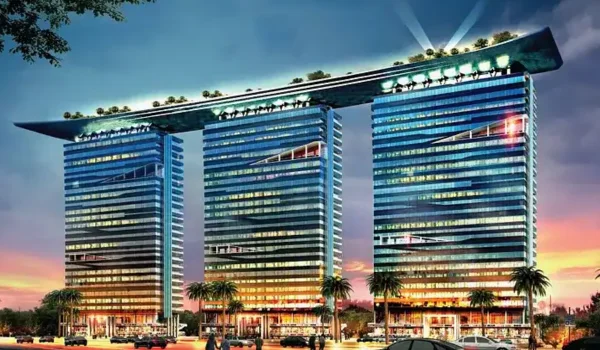
A modern commercial complex is designed around the needs of multiple users rather than focusing only on individual commercial units.
It should ideally combine:
- Convenient accessibility
- Efficient parking
- Reliable utilities
- Safety and security
- Comfortable common areas
- Digital infrastructure
- Good maintenance
- Accessibility for different users
- Energy-efficient systems
- Flexible commercial spaces
- Professional property management
The importance of individual features depends on the type and size of the complex. A retail-focused property may prioritize customer footfall and parking, while an office complex may place greater emphasis on connectivity, workplace facilities, and employee convenience.
- Strategic and Accessible Location
Location remains one of the most important features of any commercial complex.
Even a well-designed property can struggle if customers and employees find it difficult to reach.
A good commercial location should ideally have convenient connections to:
- Major roads
- Public transportation
- Residential areas
- Business districts
- Educational institutions
- Important landmarks
- Other commercial destinations
The ideal location also depends on the type of businesses operating in the complex.
For example, a retail complex may benefit from high pedestrian and vehicle movement, while a corporate office complex may prioritize connectivity to major business areas and public transport.
Why Location Matters
A strategic location can influence:
- Customer accessibility
- Employee commute
- Business visibility
- Tenant demand
- Property value
- Rental potential
Therefore, location should be considered alongside the quality of the building itself.
- Adequate and Well-Planned Parking
Parking is one of the most practical requirements of a commercial complex.
Customers may avoid a location if they consistently struggle to find parking, while employees and tenants need reliable long-term parking arrangements.
A modern complex should consider:
- Two-wheeler parking
- Car parking
- Visitor parking
- Accessible parking
- Clear parking signage
- Entry and exit management
- Efficient internal movement
For larger developments, technology can also be used to improve parking management through digital displays, automated access systems, and parking guidance solutions.
Why Parking Matters
Convenient parking can improve the overall customer experience and reduce congestion around the property.
This is particularly important for:
- Shopping complexes
- Restaurants
- Clinics
- Banks
- Showrooms
- Service businesses
- Easy Entry and Exit
A commercial complex should be easy to enter and leave.
Poorly designed entrances and exits can create congestion, particularly during peak hours.
Modern developments should consider:
- Clearly marked entrances
- Separate vehicle and pedestrian movement where appropriate
- Adequate turning space
- Directional signage
- Emergency access
- Smooth traffic circulation
For busy commercial properties, efficient circulation can make a significant difference to the user experience.
- Strong Security Systems
Security is essential for businesses, employees, customers, and property owners.
A modern commercial complex may use a combination of physical security and technology-based systems.
These can include:
- Security personnel
- CCTV surveillance
- Controlled access
- Visitor management
- Security checkpoints
- Emergency communication systems
- Well-lit common areas
The exact security arrangements should be appropriate to the size, location, and type of property.
Why Security Matters
Businesses handle employees, customers, equipment, documents, inventory, and other valuable resources.
A secure commercial environment can therefore contribute to:
- Employee confidence
- Customer comfort
- Property protection
- Better building management
- Reliable Power Supply and Backup
Businesses depend heavily on uninterrupted electricity.
Offices need power for computers and communication systems. Retailers require lighting, billing systems, refrigeration, security equipment, and other infrastructure.
A modern commercial complex should therefore have reliable electrical infrastructure and appropriate backup arrangements.
Depending on the property, this may include:
- Backup generators
- Power backup systems
- Emergency lighting
- Proper electrical distribution
- Equipment monitoring
Businesses should understand the property’s power arrangements before occupying a commercial unit, particularly when their operations depend on continuous electricity.
- High-Quality Internet and Digital Connectivity
Internet connectivity has become a basic requirement for many businesses.
Modern commercial complexes should support reliable digital connectivity for:
- Internet access
- Business communication
- Cloud applications
- Digital payments
- Security systems
- Video conferencing
- Building-management systems
Office-oriented developments may require significantly greater connectivity than traditional retail properties.
Reliable telecom infrastructure can therefore make a commercial complex more attractive to technology companies, professional services, startups, and corporate tenants.
- Efficient Elevators and Vertical Transportation
Multi-storey commercial complexes depend on elevators and other vertical transportation systems.
A modern property should provide elevators that are:
- Adequate for the building’s size
- Regularly maintained
- Easy to access
- Supported by appropriate safety systems
Where applicable, separate service access can also help businesses move goods without disrupting customer movement.
Why Elevators Matter
Poor elevator availability can lead to:
- Long waiting times
- Customer inconvenience
- Employee frustration
- Difficulties moving goods
- Reduced accessibility
For a multi-storey commercial complex, elevator planning is therefore a fundamental feature rather than an optional amenity.
- Fire and Emergency Safety
Fire and emergency safety should be a fundamental part of commercial-property planning.
Depending on the property’s size and applicable requirements, a commercial complex may include systems and facilities such as:
- Fire detection systems
- Fire alarms
- Fire extinguishing equipment
- Emergency exits
- Emergency lighting
- Fire-fighting systems
- Clearly marked evacuation routes
- Emergency access
The exact requirements depend on applicable local building, fire-safety, and occupancy regulations.
Businesses should also understand their responsibilities regarding emergency procedures and employee safety.
- Accessibility for All Users
A modern commercial complex should be designed to accommodate people with different mobility and accessibility needs.
Important features can include:
- Accessible entrances
- Ramps
- Accessible parking
- Suitable elevators
- Accessible washrooms
- Clear pathways
- Appropriate signage
Accessibility benefits not only people with disabilities but also elderly visitors, parents with children, delivery personnel, and anyone who may have difficulty navigating conventional spaces.
- Clean and Well-Maintained Common Areas
The appearance and cleanliness of common areas can influence how customers and businesses perceive a commercial complex.
Important areas include:
- Entrances
- Lobbies
- Corridors
- Staircases
- Parking areas
- Washrooms
- Elevators
- Outdoor spaces
Regular cleaning and maintenance can help create a more professional environment and reduce operational problems.
For businesses, this matters because customers often form an impression of a company partly from its surroundings.
- Well-Planned Signage and Wayfinding
Visitors should be able to find businesses without unnecessary confusion.
A modern commercial complex should use clear signage to identify:
- Building entrances
- Floors
- Shops
- Offices
- Parking
- Washrooms
- Emergency exits
- Elevators
- Service areas
For larger developments, directories and digital information displays can make navigation easier.
Good wayfinding is especially important when a complex contains dozens or hundreds of businesses.
- Comfortable Common Spaces
Common areas should be designed with the needs of visitors and employees in mind.
Depending on the type of complex, this may include:
- Seating areas
- Waiting zones
- Comfortable lobbies
- Outdoor spaces
- Cafés or refreshment areas
- Visitor lounges
These features can improve the overall experience without directly belonging to any individual business.
- Proper Waste Management
Commercial properties generate different types of waste throughout the day.
A modern complex should have an organized waste-management system covering:
- Waste collection
- Segregation where applicable
- Storage
- Disposal
- Recycling initiatives where feasible
Restaurants, retail businesses, offices, and healthcare establishments may generate different types and quantities of waste, so the system should be capable of handling the requirements of the property’s tenant mix.
- Energy-Efficient Infrastructure
Energy efficiency can reduce operating costs and support more sustainable property management.
A modern commercial complex may incorporate:
- Energy-efficient lighting
- Efficient air-conditioning systems
- Automated lighting controls
- Energy monitoring
- Efficient building equipment
- Solar energy where practical
- Better insulation and building design
Energy efficiency can be particularly valuable for large commercial developments because common-area electricity consumption can represent a significant operating expense.
- Water Management
Water management is another important aspect of commercial-property infrastructure.
Depending on the project, useful features can include:
- Efficient plumbing
- Water-saving fixtures
- Rainwater management
- Water storage
- Wastewater treatment where appropriate
- Leak detection and monitoring
Efficient water management can reduce waste and improve the long-term sustainability of the property.
- Green and Outdoor Spaces
Modern commercial developments increasingly recognize the importance of outdoor environments.
Landscaping, trees, open areas, seating spaces, and well-designed pedestrian zones can make a commercial complex more comfortable and visually appealing.
Green spaces can also help create a more pleasant environment for employees and visitors.
The appropriate design will depend on the size, climate, location, and available space of the development.
- Flexible Commercial Spaces
Business requirements change over time.
A startup may need a small office initially and more space as it grows. A retailer may need a larger showroom later. Companies may also change their workplace models and space requirements.
A modern commercial complex should therefore offer, where feasible, different types and sizes of commercial spaces.
Flexible layouts can help accommodate:
- Small businesses
- Growing companies
- Established businesses
- Retailers
- Professional services
- Flexible offices
- Showrooms
Flexibility can also make the property more adaptable to changing market conditions.
- Food and Refreshment Facilities
Food outlets can add significant convenience to commercial environments.
Depending on the type of complex, facilities may include:
- Cafés
- Restaurants
- Food courts
- Quick-service outlets
- Employee refreshment areas
For office complexes, nearby food options can be particularly useful for employees.
For retail developments, restaurants and cafés can encourage visitors to spend more time at the property.
- Dedicated Loading and Service Areas
Businesses need to receive inventory, equipment, supplies, and deliveries.
A modern commercial complex should therefore consider service access separately from normal customer movement wherever practical.
Useful facilities may include:
- Loading zones
- Service entrances
- Delivery areas
- Goods lifts
- Designated vendor access
- Waste collection zones
Proper service planning can reduce congestion and improve daily business operations.
- Good Building Management
Even excellent infrastructure can become ineffective without proper management.
A professional property-management system should handle issues such as:
- Maintenance
- Security
- Cleaning
- Parking
- Common facilities
- Tenant communication
- Repairs
- Emergency coordination
Businesses should therefore evaluate not only the physical building but also how the property is managed.
- Technology-Enabled Building Management
Technology can make commercial-property operations more efficient.
Depending on the development, modern systems can help manage:
- Access control
- Parking
- Energy consumption
- Security
- Visitor management
- Maintenance requests
- Building equipment
- Digital directories
Smart-building technology can also help property managers identify problems earlier and monitor building performance.
However, technology should solve practical problems rather than being added simply as a marketing feature.
- Strong Mobile and Digital Payment Infrastructure
Many businesses now rely on digital payments.
A modern commercial environment should support reliable infrastructure for common digital transactions and business operations.
Retailers, restaurants, clinics, and service providers may need dependable connectivity for:
- QR-based payments
- Card machines
- Online billing
- Digital receipts
- Customer communication
Reliable connectivity is therefore increasingly important for day-to-day commercial operations.
- Employee-Friendly Facilities
Commercial complexes should not be designed only around customers.
Employees spend many hours within commercial properties and their experience can affect productivity and retention.
Depending on the property, employee-friendly facilities may include:
- Comfortable common spaces
- Food options
- Clean washrooms
- Parking
- Public transport access
- Safe pedestrian routes
- Break areas
Office-focused developments may require additional workplace amenities.
- Customer-Friendly Design
Customer experience can directly affect the performance of many businesses.
A customer-friendly commercial complex should make basic activities simple:
Arrive → Park → Find the business → Enter → Complete the visit → Leave
Complicated navigation, poor signage, crowded parking, uncomfortable waiting areas, or difficult access can negatively affect this experience.
A good commercial complex therefore considers the complete customer journey rather than only the appearance of individual shops and offices.
- Adequate Maintenance and Repair Systems
Every commercial building eventually requires repairs and upgrades.
A modern complex should have systems for handling:
- Electrical problems
- Plumbing issues
- Elevator maintenance
- Air-conditioning systems
- Structural maintenance
- Parking repairs
- Common-area equipment
Quick response to maintenance issues can reduce disruption for tenants.
- Good Ventilation and Indoor Environment
Indoor environmental quality matters particularly in office and enclosed commercial spaces.
Appropriate ventilation, air-conditioning, lighting, and temperature control can contribute to a more comfortable environment.
For businesses with employees spending long hours indoors, these factors can be particularly important.
- Clear Tenant and Property Rules
A commercial complex needs reasonable rules to ensure that different businesses can operate alongside one another.
Rules may cover:
- Signage
- Renovations
- Operating hours
- Parking
- Noise
- Common areas
- Deliveries
- Waste disposal
- Permitted business activities
Clear rules can reduce conflicts between tenants and help maintain consistent standards across the property.
- Strong Connectivity to the Surrounding Area
A commercial complex should not be viewed as an isolated building.
Its relationship with the surrounding area matters.
Good connectivity to nearby:
- Residential communities
- Offices
- Public transportation
- Roads
- Educational institutions
- Hotels
- Retail destinations
- Business districts
can influence its commercial potential.
This is particularly important for developments that depend on regular customer or employee movement.
- Future-Ready Infrastructure
A commercial complex can remain relevant for many years if its infrastructure can adapt to changing requirements.
Future-ready planning may include:
- Flexible commercial layouts
- Expandable digital infrastructure
- EV charging where appropriate
- Energy-efficient systems
- Modern security
- Adaptable common spaces
- Technology-ready facilities
The objective is not to predict every future trend but to avoid designing a property that becomes difficult or expensive to adapt.
- Strong Balance Between Experience and Cost
Modern features are valuable only when they provide practical benefits.
Installing expensive technology, luxury amenities, or complex systems can increase maintenance costs without necessarily improving the property’s commercial performance.
A successful commercial complex should therefore maintain a balance between:
Quality + Convenience + Safety + Sustainability + Affordability
The goal should be to create a property that is useful for businesses and visitors while remaining financially practical to operate.
Features That Matter Most for Different Businesses
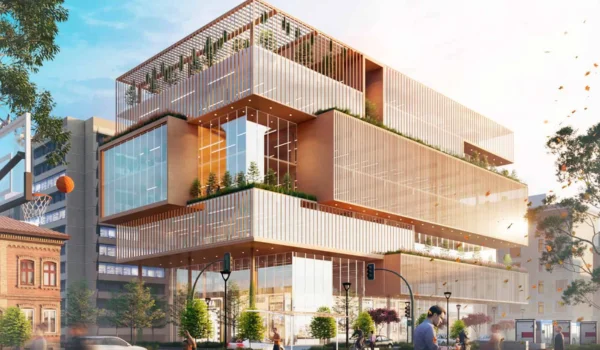
Not every business needs the same facilities.
| Business Type | Important Features |
| Retail Store | Footfall, visibility, parking, signage |
| Restaurant | Visibility, parking, service access, footfall |
| Office | Connectivity, elevators, security, power, workspace |
| Clinic | Accessibility, parking, cleanliness, safety |
| Bank | Security, accessibility, visibility, parking |
| Professional Office | Connectivity, accessibility, professional environment |
| Showroom | Visibility, parking, display space, road access |
| Startup | Flexible space, connectivity, cost efficiency |
| Large Company | Infrastructure, parking, connectivity, employee facilities |
This is why businesses should evaluate a commercial complex according to their specific operating requirements rather than simply choosing the property with the largest number of amenities.
How to Evaluate a Commercial Complex Before Choosing It
Before renting, leasing, or purchasing a commercial unit, businesses can use a simple evaluation framework.
Location
Is the property convenient for your target customers and employees?
Accessibility
Can people reach it easily by road and public transportation?
Parking
Is parking adequate during busy periods?
Infrastructure
Are electricity, internet, elevators, water, and other essential systems reliable?
Safety
Are security and emergency systems properly maintained?
Maintenance
Are common areas clean and well maintained?
Tenant Mix
Do neighbouring businesses complement or compete with your business?
Costs
What will the total occupancy cost be after adding maintenance and other expenses?
Rules
Are there restrictions that could affect your business?
Future Potential
Is the surrounding area likely to remain commercially relevant?
Why These Features Matter to Investors
Investors should pay attention to modern commercial-complex features because they can influence tenant demand and long-term property attractiveness.
A property with:
- Good accessibility
- Reliable infrastructure
- Efficient parking
- Strong maintenance
- Modern facilities
- Appropriate tenant mix
- Professional management
may be better positioned to attract and retain tenants.
However, investors should avoid assuming that more amenities automatically mean better returns.
The cost of maintaining those facilities also matters.
The objective is to find a property where the quality of infrastructure is appropriate for the target market and supported by sustainable operating economics.
Modern Commercial Complex: A Practical Checklist
Before selecting a commercial complex, businesses and investors can ask:
- Is the location convenient?
- Is the property easy to access?
- Is parking sufficient?
- Are security systems adequate?
- Is the power supply reliable?
- Is internet connectivity available?
- Are elevators properly maintained?
- Are emergency systems in place?
- Are common areas clean?
- Is signage easy to understand?
- Is the property accessible to different users?
- Is waste managed properly?
- Are energy and water systems efficient?
- Are business spaces flexible?
- Is service and delivery access available?
- Is property management responsive?
- Are the rules clearly communicated?
- Does the tenant mix suit the target business?
- Are the total costs reasonable?
- Can the property adapt to future requirements?
Final Thoughts
A modern commercial complex should be designed around more than buildings and commercial units. It should create a convenient, safe, accessible, efficient, and adaptable environment for businesses, employees, customers, and property owners.
Features such as strategic location, parking, accessibility, security, reliable utilities, digital connectivity, elevators, emergency systems, clean common areas, effective signage, professional management, and flexible spaces form the foundation of a functional commercial development.
Modern additions such as smart building systems, energy-efficient infrastructure, EV facilities, digital parking, and improved sustainability can further enhance a property when they are implemented appropriately.
For businesses, the most important question is not simply, “How many amenities does this commercial complex have?” It is:
“Do these features actually make it easier and more cost-effective for my business to operate?”
For investors, the question is similar:
“Will the property’s infrastructure, location, management, and facilities help it remain attractive to tenants over the long term?”
A commercial complex that answers both questions effectively is more likely to provide lasting value to the businesses and people who use it.
Frequently Asked Questions
What are the most important features of a modern commercial complex?
Location, accessibility, parking, security, reliable utilities, internet connectivity, elevators, emergency systems, clean common areas, good maintenance, and professional property management are among the most important features.
Why is parking important in a commercial complex?
Convenient parking makes it easier for customers, employees, and visitors to access the property. It can be particularly important for retail stores, restaurants, clinics, showrooms, and other customer-facing businesses.
Should a commercial complex have backup power?
Reliable power is important for most commercial properties. Depending on the building and its requirements, backup systems can help maintain essential operations during power interruptions.
Why is internet connectivity important in commercial complexes?
Many businesses depend on internet access for communication, digital payments, cloud applications, security systems, customer service, and daily operations. Reliable connectivity is therefore an important part of modern commercial infrastructure.
How does property management affect a commercial complex?
Property management is responsible for many shared aspects of the development, including maintenance, security, cleaning, parking, repairs, and common facilities. Effective management can improve the experience of both tenants and visitors.
What makes a commercial complex future-ready?
Flexible spaces, reliable digital infrastructure, energy-efficient systems, adaptable facilities, modern security, and infrastructure that can accommodate changing business requirements can help make a commercial complex more future-ready.
Are green features important in commercial complexes?
They can be. Energy-efficient lighting, efficient cooling systems, water-saving fixtures, landscaping, renewable-energy solutions where practical, and waste-management systems can improve resource efficiency and potentially reduce operating costs.
Do all commercial complexes need the same features?
No. Requirements depend on the property’s size, location, tenant mix, and purpose. A shopping complex may prioritize footfall and parking, while an office complex may place greater emphasis on connectivity, workplace infrastructure, and employee facilities.
What should businesses check before choosing a commercial complex?
Businesses should evaluate location, accessibility, parking, infrastructure, security, maintenance, tenant mix, total occupancy costs, property rules, permitted use, and whether the complex meets their current and future operational requirements.