Commercial complexes bring multiple businesses together within a shared commercial property. Instead of operating from completely independent locations, retailers, offices, restaurants, service providers, and other businesses can occupy separate units while sharing certain infrastructure and facilities.
But how does a commercial complex actually work?
A successful commercial complex involves much more than renting out individual shops or offices. Property owners, developers, managers, tenants, customers, service providers, and other stakeholders all play different roles in keeping the development functional and commercially attractive.
For businesses, understanding this structure can make it easier to evaluate whether a commercial complex is the right place to operate. It can also help business owners understand the potential benefits, costs, responsibilities, and limitations involved in choosing such a location.
What Is a Commercial Complex?
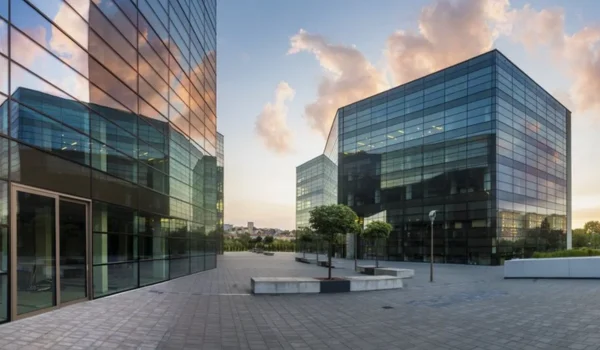
A commercial complex is a planned property or development containing multiple commercial spaces within a shared environment.
Depending on the property, it can include:
- Retail stores
- Offices
- Showrooms
- Restaurants and cafés
- Clinics
- Banks
- Professional service providers
- Small and medium-sized businesses
- Co-working spaces
- Specialized commercial units
Each business generally occupies its own designated space while using some common facilities provided by the property.
The size and purpose of a commercial complex can vary considerably. A small neighbourhood complex may contain a few shops and offices, while a larger development may have multiple buildings, extensive parking, restaurants, retail outlets, corporate offices, and other amenities.
How Does a Commercial Complex Work?
The simplest way to understand a commercial complex is to think of it as a shared business ecosystem.
Individual businesses operate their own units, but the property provides a common physical and management framework around them.
For example, imagine a five-storey commercial complex:
- The ground floor has retail stores.
- The first and second floors contain offices.
- Another floor has professional services.
- Restaurants operate in designated areas.
- Parking is shared by visitors and occupants.
- Security covers the common property.
- Elevators serve multiple businesses.
- Common areas are maintained centrally.
The businesses are independent, but their operations are connected through the shared infrastructure of the complex.
Who Is Involved in Running a Commercial Complex?
Several parties may be involved in the functioning of a commercial complex.
Property Owner or Developer
The developer or property owner is responsible for creating or owning the commercial development.
During the development stage, the owner or developer may be responsible for:
- Planning the project
- Constructing the property
- Creating commercial units
- Providing common infrastructure
- Developing parking and access areas
- Marketing the property
Once the property is operational, ownership and management responsibilities can vary depending on the project’s structure.
Property Management
Property management is responsible for keeping the complex operational and maintaining shared facilities.
Responsibilities may include:
- Security
- Cleaning
- Common-area maintenance
- Parking management
- Elevator maintenance
- Repairs
- Landscaping
- Waste management
- Utility coordination
- Building-related services
Some properties have dedicated management teams, while others may use external property-management companies or owners’ associations.
Businesses and Tenants
Businesses occupy individual commercial units and are responsible for operating their own establishments.
Depending on the agreement, they may be responsible for:
- Rent or lease payments
- Utilities
- Interior maintenance
- Business operations
- Employee management
- Customer service
- Compliance with property rules
The exact responsibilities depend on the lease, sale agreement, property structure, and applicable regulations.
Customers and Visitors
Customers are another important part of the ecosystem.
Retail stores, restaurants, clinics, banks, and service providers depend on visitors, while office businesses may receive employees, clients, suppliers, and business partners.
The overall visitor experience can therefore influence the commercial performance of the complex.
How Businesses Operate Inside a Commercial Complex
A business operating in a commercial complex generally has its own dedicated commercial unit.
The unit may be:
- Rented
- Leased
- Purchased
- Used under another permitted occupancy arrangement
The business then operates according to the terms of its agreement and the rules applicable to the property.
For example, a clothing retailer may lease a shop on the ground floor, while an accounting firm occupies an office on an upper floor.
Although both businesses operate independently, they may share:
- Building entrances
- Parking
- Security
- Elevators
- Common corridors
- Emergency facilities
- Waste-management systems
- Other common infrastructure
This shared model is one of the primary characteristics of a commercial complex.
How Commercial Complexes Generate Business Activity
Commercial complexes can generate activity through concentration of businesses.
When several businesses operate close to one another, each can potentially benefit from the visitors attracted by the wider property.
For example, a customer visiting a bank may also visit a café. Someone attending a professional appointment may stop at a nearby retail store. An employee working in an office may use a restaurant or other service within the same complex.
This creates what can be described as a commercial ecosystem.
However, the strength of this ecosystem depends heavily on the location, tenant mix, accessibility, property management, and type of businesses operating there.
What Is Tenant Mix and Why Does It Matter?
Tenant mix refers to the combination of businesses operating within a commercial complex.
It is one of the important factors that can influence the attractiveness of a commercial development.
A complex containing ten businesses that serve completely unrelated or incompatible customer groups may not generate the same commercial synergy as a complex with complementary businesses.
For example, a development could contain:
- Bank
- Insurance agency
- Accounting firm
- Business consultant
- Legal office
- Café
- Pharmacy
- Retail store
Different businesses attract different users, creating multiple reasons for people to visit the property.
For retail-oriented developments, tenant mix can be especially important because customers often value having complementary products and services available within the same destination.
How Shared Facilities Work
One of the biggest differences between a commercial complex and a standalone property is the presence of shared facilities.
Parking
Parking may be shared among businesses, employees, customers, and visitors.
The management may establish rules regarding:
- Reserved parking
- Visitor parking
- Parking duration
- Access control
- Two-wheeler and four-wheeler spaces
The actual arrangement varies from property to property.
Security
Commercial complexes commonly use shared security arrangements.
These may include:
- Security guards
- CCTV cameras
- Entry monitoring
- Visitor management
- Emergency procedures
A business therefore does not necessarily need to independently secure every common area.
Elevators and Common Areas
Multi-storey commercial complexes depend on common infrastructure such as elevators, staircases, lobbies, corridors, and entrances.
Regular maintenance of these areas is important because every occupant and visitor uses them.
Cleaning and Maintenance
Common-area maintenance may include:
- Cleaning
- Waste collection
- Lighting
- Landscaping
- Plumbing
- Electrical maintenance
- Repairs
Businesses generally contribute toward applicable common maintenance expenses according to the property’s arrangements.
How Rent and Other Costs Work
The cost of occupying commercial space is not always limited to monthly rent.
Depending on the property and agreement, businesses may have to consider:
- Base rent
- Security deposit
- Maintenance charges
- Utilities
- Parking charges
- Property-related taxes or charges where applicable
- Interior costs
- Signage costs
- Business-specific operating expenses
A business should therefore calculate the total occupancy cost rather than comparing properties only on advertised rent.
For example, a property with lower rent but expensive maintenance, poor accessibility, or limited parking may not necessarily be cheaper in practical terms.
What Businesses Can Benefit From Commercial Complexes?
Almost any commercial business can potentially operate from a commercial complex, but some business categories may benefit more than others.
- Retail Businesses
Retail businesses are among the most obvious beneficiaries.
Examples include:
- Clothing stores
- Electronics retailers
- Jewellery stores
- Furniture stores
- Lifestyle stores
- Specialty shops
- Beauty and personal-care businesses
These businesses can benefit from customer traffic and the presence of neighbouring establishments.
Why Retailers May Benefit
A busy complex can provide:
- Customer visibility
- Walk-in traffic
- Shared parking
- Established commercial surroundings
- Cross-shopping opportunities
However, retailers should carefully examine actual footfall rather than assuming that every commercial complex automatically provides high customer traffic.
- Restaurants and Cafés
Restaurants and cafés can benefit from a concentration of customers, employees, and visitors.
A commercial complex with offices may provide a daytime customer base, while a mixed-use development may generate activity at different times of the day.
Important considerations include:
- Visibility
- Parking
- Seating requirements
- Delivery access
- Operating hours
- Surrounding businesses
- Permitted use
- Professional Services
Professional businesses can be well suited to office and business complexes.
These may include:
- Accountants
- Lawyers
- Consultants
- Financial advisors
- Insurance professionals
- Architects
- Marketing agencies
- Real estate professionals
Such businesses may value a professional address and easy client access more than high pedestrian footfall.
- Healthcare Businesses
Clinics, diagnostic centres, pharmacies, dental practices, and other healthcare-related businesses can operate in suitable commercial developments where the required use and facilities are permitted.
Accessibility and parking can be particularly important for healthcare businesses because customers may include elderly people or individuals with mobility challenges.
Businesses should verify applicable permissions and property rules before establishing a healthcare operation.
- Technology and IT Companies
Technology businesses often require office space rather than retail visibility.
An office or business complex can provide:
- Professional workspace
- Employee accessibility
- Meeting facilities
- Security
- Shared infrastructure
- Formal business address
The availability and quality of connectivity and utilities can also be important.
- Financial and Insurance Businesses
Banks, insurance agencies, financial consultants, and related businesses can benefit from accessible commercial locations.
These businesses often require:
- Professional surroundings
- Customer accessibility
- Secure premises
- Parking
- Convenient public transportation
A commercial complex located near residential and business areas may offer a useful combination of customer access and professional infrastructure.
- Small and Medium-Sized Businesses
Commercial complexes can be particularly useful for small and medium-sized businesses that do not need an entire standalone building.
They can select a commercial unit according to their space and budget requirements while benefiting from shared infrastructure.
This can allow smaller businesses to establish themselves in a recognized commercial location without taking responsibility for an entire property.
- Startups and New Businesses
Startups may also consider commercial complexes when they need a formal workspace or customer-facing location.
However, startups should be especially careful about fixed occupancy costs.
A prestigious commercial address can be useful, but high rent and maintenance expenses may place unnecessary pressure on an early-stage business.
The property should therefore match the company’s current financial capacity and growth plans.
What Are the Main Benefits for Businesses?
Better Accessibility
A commercial complex in a well-connected location can make it easier for customers, employees, and suppliers to reach the business.
Shared Infrastructure
Businesses can benefit from facilities such as parking, security, elevators, common areas, and maintenance services without independently creating all of them.
Professional Business Environment
A well-managed commercial complex can provide a more structured environment than an informal or poorly organized commercial location.
Potential Customer Footfall
Businesses in customer-facing sectors may benefit from visitors attracted by neighbouring businesses.
Networking Opportunities
Operating alongside other businesses can create opportunities for:
- Referrals
- Partnerships
- Supplier relationships
- Cross-promotion
- Professional networking
Convenience
Employees and customers may be able to access multiple services at the same location.
This can make the property more attractive as a business destination.
Are There Any Disadvantages?
Commercial complexes also have limitations.
Shared Costs
Maintenance and other common expenses can increase the total cost of operating from the property.
Competition
Businesses selling similar products or services may operate within the same complex.
While competition can attract customers to the location, individual businesses must still differentiate themselves.
Property Rules
Businesses may have restrictions concerning:
- Signage
- Renovations
- Operating hours
- Noise
- Parking
- Exterior modifications
- Permitted business activities
Dependence on Management
Poor property management can affect cleanliness, security, parking, maintenance, and the overall customer experience.
Limited Control
Unlike a standalone property, businesses generally have less control over common areas and certain aspects of the surrounding environment.
How Commercial Complexes Attract Businesses
Property owners and developers generally need to make a commercial complex attractive to potential tenants.
Some of the factors that can help include:
Strategic Location
A well-connected location can attract businesses that depend on accessibility.
Quality Infrastructure
Good construction, elevators, parking, utilities, security, and common areas can increase the property’s appeal.
Suitable Tenant Mix
A balanced mix of businesses can make the development more attractive to both tenants and customers.
Professional Management
Efficient maintenance and responsive management can improve tenant satisfaction.
Visibility and Branding
Clear signage, entrances, landscaping, lighting, and organized common areas can improve the property’s commercial appearance.
How Businesses Can Evaluate a Commercial Complex
Before renting or purchasing a commercial unit, businesses should evaluate the property from both a business and financial perspective.
Check the Location
Ask:
- Is it easy for customers to reach?
- Is public transportation available?
- Is parking sufficient?
- Is the surrounding area commercially active?
- Are there complementary businesses nearby?
Understand the Customer Profile
A luxury retailer, neighbourhood pharmacy, corporate office, and budget restaurant may all require completely different locations.
The surrounding customer profile should match the business.
Examine Actual Footfall
Do not rely only on marketing claims.
Visit the property at different times and, where possible, on different days to understand how active the location really is.
Check the Tenant Mix
Look at the businesses already operating there.
Ask whether they attract customers who could also be relevant to your business.
Calculate Total Costs
Consider rent, deposit, maintenance, utilities, parking, interior setup, signage, and other applicable expenses.
Understand the Agreement
Before committing, carefully review:
- Lease or sale terms
- Lock-in period
- Renewal conditions
- Maintenance responsibilities
- Permitted use
- Signage rules
- Operating restrictions
- Exit conditions
Professional advice can be useful for significant commercial transactions.
Commercial Complexes and Business Growth
The right commercial complex can support business growth in several ways.
A business may initially occupy a small unit and later move into a larger space within the same development if suitable units become available.
Being surrounded by complementary businesses can also create new networking and referral opportunities.
However, the complex should support the company’s long-term requirements rather than simply providing an attractive address.
Businesses should think about:
- Expected employee growth
- Customer growth
- Storage requirements
- Additional parking
- Future expansion
- Changing operational needs
What Makes a Commercial Complex Business-Friendly?
A business-friendly commercial complex generally combines several elements:
Good location + accessibility + suitable tenant mix + reliable infrastructure + parking + security + professional management + reasonable occupancy costs
No single factor is enough by itself.
For example, an attractive building in an inconvenient location may struggle to attract customers. Similarly, a highly accessible complex with poor maintenance may lose tenants over time.
The overall combination matters.
Final Thoughts
Commercial complexes work by bringing multiple businesses together within a shared commercial environment. Individual businesses operate independently from their own units, while common infrastructure such as parking, security, elevators, entrances, and maintenance may be managed collectively.
This arrangement can benefit retailers, restaurants, professional service providers, healthcare businesses, technology companies, financial firms, startups, and many small and medium-sized businesses.
The biggest potential advantage is not simply having a commercial address. It is being part of a larger business ecosystem where shared facilities, accessibility, customer activity, and neighbouring businesses can support day-to-day operations.
At the same time, businesses should not assume that every commercial complex will automatically provide strong footfall or business growth. Location, tenant mix, property management, operating costs, accessibility, and customer demand remain critical.
Before choosing a commercial complex, business owners should therefore evaluate both the property and the surrounding market. The right complex is one that matches the company’s customers, operational requirements, budget, and long-term growth plans.
Frequently Asked Questions
How does a commercial complex work?
A commercial complex contains multiple independent businesses within a shared property. Each business operates from its own unit while occupants may share facilities such as parking, security, elevators, entrances, common areas, and maintenance services.
What businesses can operate in a commercial complex?
Depending on the property’s design and permitted use, commercial complexes can accommodate retailers, offices, restaurants, clinics, banks, professional service providers, technology companies, consultants, and many other businesses.
Do businesses in a commercial complex share the same facilities?
Usually, certain common facilities are shared. These may include parking, security, elevators, corridors, entrances, and common-area maintenance. The exact facilities and rules depend on the property.
Is a commercial complex good for small businesses?
It can be. Small businesses may benefit from shared infrastructure, professional surroundings, customer access, and an established commercial location. However, the total occupancy cost should be appropriate for the business.
Do commercial complexes guarantee customer footfall?
No. Being located inside a commercial complex does not automatically guarantee high footfall. Customer activity depends on factors such as location, accessibility, tenant mix, surrounding development, business type, and overall property management.
What should a business check before renting space in a commercial complex?
Businesses should examine location, accessibility, parking, customer profile, footfall, tenant mix, rent, maintenance charges, permitted use, property rules, lease terms, and other operating costs.
Can multiple businesses benefit from the same commercial complex?
Yes. Complementary businesses can potentially benefit from the overall activity generated by the complex. Customers visiting one business may also use other services located nearby.
Is a commercial complex better than a standalone property?
Not necessarily. A commercial complex may provide shared infrastructure and a broader business ecosystem, while a standalone property can provide greater independence and control. The better option depends on the business model and location.