Choosing the right location is one of the most important decisions when starting or expanding a business. While factors such as rent, property size, and visibility are important, the overall quality of the commercial property can also have a major impact on day-to-day operations.
A well-planned commercial complex provides businesses with more than just a physical space. It can offer better accessibility, organised infrastructure, parking, security, shared facilities, and a professional business environment.
For retailers, offices, professional service providers, and other businesses, these advantages can make operations more convenient and improve the experience of employees and customers.
What Is a Well-Planned Commercial Complex?
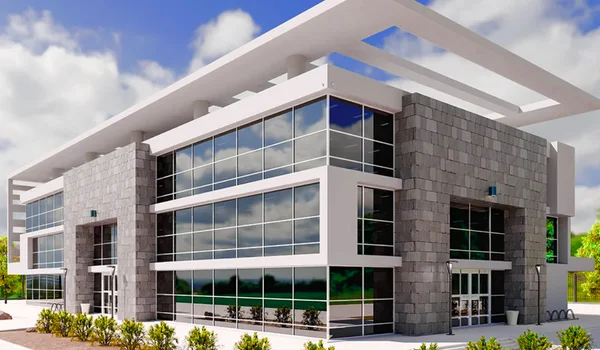
A well-planned commercial complex is a property designed with the needs of businesses, customers, employees, and visitors in mind.
It generally focuses on:
- Easy accessibility
- Proper parking
- Efficient internal layout
- Good signage and navigation
- Reliable utilities
- Security
- Fire safety
- Clean common areas
- Professional property management
- Suitable tenant mix
The exact facilities vary between properties, but the main objective is to create an organised and functional commercial environment.
- Better Accessibility for Customers and Employees
Accessibility can directly affect how easily people reach a business.
A well-planned complex may have:
- Good road connectivity
- Convenient entrances and exits
- Public transport access
- Pedestrian pathways
- Clear signage
- Proper internal circulation
For businesses that depend on regular customer visits, convenient access can make the property more attractive.
Employees can also benefit from easier daily commuting, particularly when the complex is connected to major roads and public transportation.
- Professional Business Environment
The surroundings of a business can influence how customers and clients perceive it.
A clean, organised, and professionally managed commercial complex can create a stronger first impression than an unplanned or poorly maintained property.
Features such as:
- Well-maintained entrances
- Clean common areas
- Professional signage
- Security
- Functional elevators
- Proper lighting
can contribute to a more professional environment.
This can be particularly useful for consulting firms, financial businesses, legal professionals, healthcare providers, and other businesses that regularly meet clients.
- Better Parking Facilities
Parking is an important consideration in many urban commercial areas.
A well-planned complex may provide organised parking for:
- Customers
- Employees
- Visitors
- Two-wheelers
- Delivery vehicles
Adequate parking can make it easier for customers to visit businesses without worrying about where to leave their vehicles.
Businesses should still check actual parking capacity and availability because facilities can vary significantly between commercial properties.
- Shared Infrastructure and Facilities
One of the major advantages of operating in a commercial complex is access to shared infrastructure.
Depending on the property, this may include:
- Elevators
- Security systems
- Power backup
- Common lighting
- Water supply
- Cleaning services
- Fire-safety infrastructure
- Waste management
- Parking management
These shared facilities can reduce the need for individual businesses to manage every aspect of the property themselves.
- Improved Customer Experience
A business does not operate in isolation. Customers also experience the surrounding property.
A well-designed commercial complex can make visits more convenient through:
- Easy navigation
- Comfortable common areas
- Clear signage
- Parking
- Security
- Nearby food and service options
For example, customers visiting a professional office may appreciate convenient parking and a clean reception area. Similarly, retail customers may value easy movement between different businesses.
A better overall experience can support customer satisfaction.
- Access to Other Businesses
A commercial complex brings multiple businesses together in one location.
This can create opportunities for businesses to benefit from the wider commercial ecosystem.
For example, an office may be located near:
- A café
- Bank
- Restaurant
- Pharmacy
- Printing service
- Professional service provider
Employees and customers can access these services conveniently, while businesses may also develop professional relationships with neighbouring tenants.
- Potential for Cross-Footfall
One of the key benefits of a suitable tenant mix is the possibility of shared customer traffic.
A customer visiting one business may notice or use another business in the same complex.
For example:
Bank → Café → Retail Store → Service Business
This does not guarantee additional sales, but complementary businesses can create more opportunities for customer interaction.
The effect is particularly relevant for retail and service-oriented commercial complexes.
- Better Security and Safety
Security is an important consideration for businesses operating from commercial properties.
Well-managed complexes may provide:
- Security personnel
- CCTV systems
- Controlled access
- Visitor management
- Security lighting
- Emergency procedures
Fire safety is equally important. Businesses should check whether the property has appropriate fire-safety systems, emergency exits, alarms, and other required arrangements.
A safer working environment can benefit employees, customers, and property owners.
- Easier Property Maintenance
Maintaining a standalone commercial building can require considerable time and resources.
In a managed commercial complex, common maintenance is often handled by the property management team.
This can include:
- Cleaning
- Common-area repairs
- Elevator maintenance
- Lighting
- Landscaping
- Security
- Waste management
The exact responsibilities depend on the lease, ownership structure, and management agreement.
- Better Business Visibility
A commercial complex with proper signage, organised entrances, and regular customer activity can provide businesses with better visibility.
Businesses may benefit from:
- Building signage
- Directory boards
- Directional signs
- Visible entrances
- Shared property branding
However, businesses should check signage rules before occupying a unit. Some commercial complexes may have specific restrictions on signboards, branding, and exterior modifications.
- Networking and Business Opportunities
Having multiple businesses in one location can create opportunities for professional connections.
Businesses may find:
- Potential clients
- Vendors
- Referral partners
- Service providers
- Business collaborators
For small businesses and professional service providers, being surrounded by other companies can be particularly useful.
These opportunities depend on the tenant mix and the willingness of businesses to interact, so they should be viewed as a potential advantage rather than a guaranteed benefit.
- Easier Future Expansion
Some commercial complexes offer multiple office or commercial units of different sizes.
This can make expansion easier if a business grows.
For example, a company may initially occupy a smaller unit and later move to a larger space within the same development.
This can reduce the disruption associated with completely changing locations.
- Better Employee Convenience
Employee experience is another important benefit.
A well-planned commercial complex may provide convenient access to:
- Food outlets
- Cafés
- Banks
- Gyms
- Public transportation
- Parking
- Everyday services
Employees spend a significant amount of time at work, so a convenient surrounding environment can make the workplace more practical.
- Stronger Long-Term Business Environment
A well-planned commercial complex can provide a stable foundation for business operations.
When location, infrastructure, accessibility, tenant mix, maintenance, and management work together, businesses can spend less time dealing with property-related problems and more time focusing on their core activities.
However, the quality of the complex should always be assessed carefully before renting or buying.
What Businesses Should Check Before Choosing a Commercial Complex
Before setting up a business, consider:
| Factor | What to Check |
| Location | Roads, public transport and surrounding market |
| Accessibility | Entry, exit and pedestrian access |
| Parking | Capacity, availability and charges |
| Infrastructure | Power, water, internet and elevators |
| Security | CCTV, security staff and access control |
| Fire safety | Emergency exits and safety systems |
| Tenant mix | Nearby businesses and competition |
| Maintenance | Common-area management |
| Visibility | Signage and customer access |
| Cost | Rent, maintenance and other charges |
| Expansion | Availability of larger or additional space |
A property should be evaluated based on the business’s specific requirements rather than simply choosing the most attractive building.
Frequently Asked Questions
What makes a commercial complex well-planned?
Good accessibility, parking, infrastructure, safety, maintenance, signage, efficient space planning, and a suitable tenant mix are some of the important characteristics.
Is a commercial complex suitable for small businesses?
Yes. Small businesses can benefit from shared infrastructure, professional surroundings, customer access, and potentially lower property-management responsibilities.
Can a commercial complex increase business customers?
It can create better opportunities for customer traffic through location, visibility, accessibility, and complementary tenants. However, actual customer growth depends on the business, market demand, and many other factors.
Why is tenant mix important?
A balanced tenant mix can provide customers with more reasons to visit the property and may create opportunities for complementary businesses to benefit from shared footfall.
Final Thoughts
Setting up a business in a well-planned commercial complex can provide several practical advantages. From better accessibility and parking to shared infrastructure, security, professional surroundings, and customer convenience, the property itself can support smoother business operations.
However, businesses should not choose a commercial complex based only on appearance or location. Rent, maintenance costs, tenant mix, parking, infrastructure, accessibility, safety, and future requirements should all be considered.
The best commercial complex is one that matches the needs of the business and its customers.
A well-planned property cannot guarantee business success, but it can provide the right environment for a business to operate efficiently, serve customers conveniently, and grow over time.