A commercial complex is not defined only by the office or retail space occupied by a business. The quality of shared amenities can have a major impact on how customers, employees, visitors, and business owners experience the property.
Facilities such as parking, elevators, security, common areas, food outlets, power backup, internet connectivity, and maintenance services are used by multiple businesses within the same development. When these amenities are properly planned and managed, they can make everyday business operations more convenient and create a better overall working environment.
For small and large businesses alike, shared amenities can therefore become an important factor when choosing commercial premises.
What Are Shared Amenities in a Commercial Complex?
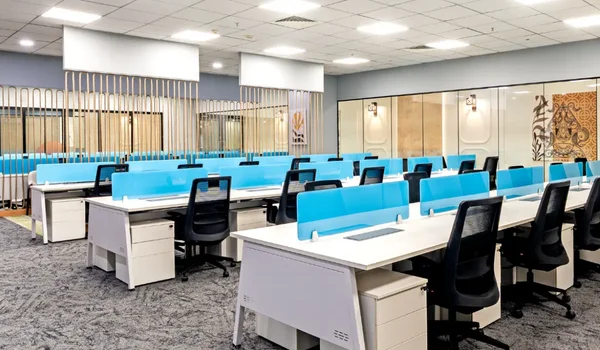
Shared amenities are facilities and services that are available to multiple businesses, employees, customers, or visitors within a commercial development.
Depending on the property, these may include:
- Common parking areas
- Elevators and escalators
- Security systems
- Reception and waiting areas
- Power backup
- Internet infrastructure
- Cafés and restaurants
- Common seating areas
- Washrooms
- Fire-safety systems
- Cleaning and maintenance
- Waste management
- Landscaping
- Signage and wayfinding
The availability and quality of these facilities can differ between commercial complexes, so businesses should evaluate them before renting or purchasing space.
- Makes Daily Business Operations More Convenient
Shared amenities reduce the need for every business to arrange essential facilities independently.
For example, a company occupying an office in a commercial complex may already have access to elevators, security, parking, common lighting, waste management, and maintained common areas.
This allows business owners to concentrate on their core activities rather than spending excessive time managing basic property-related requirements.
- Improves the Customer Experience
Customer experience begins before someone enters a business premises.
A visitor may judge a location based on how easily they can find it, where they can park, how clean the building is, and how easily they can reach the office or shop.
Well-maintained shared amenities can make the entire visit more comfortable.
For businesses such as clinics, law firms, financial services, consulting companies, salons, and retail stores, this can be particularly useful because customers and clients may visit the premises frequently.
- Parking Supports Customer and Employee Convenience
Parking is one of the most important shared facilities in many commercial complexes.
Adequate parking can make it easier for:
- Customers to visit businesses
- Employees to commute
- Delivery personnel to access the property
- Visitors to attend appointments
- Business owners to manage daily operations
A complex with limited or poorly managed parking can create frustration even when the office or shop itself is suitable.
Businesses should therefore check parking capacity, access, charges, security, and availability during peak hours.
- Elevators and Accessibility Improve Movement
In multi-storey commercial buildings, elevators are essential rather than optional conveniences.
Reliable elevators allow employees, customers, suppliers, and visitors to move between floors efficiently.
Accessibility also matters for elderly visitors, people with disabilities, customers carrying goods, and businesses that regularly receive deliveries.
Well-designed commercial complexes should therefore consider both convenience and accessibility when planning vertical movement.
- Security Creates a More Comfortable Environment
Shared security systems can benefit everyone operating within the complex.
Security guards, CCTV cameras, controlled entrances, visitor management, and adequate lighting can help create a safer environment for employees and visitors.
Businesses may also benefit from having security arrangements covering common areas rather than having to independently manage every aspect of building security.
However, companies should verify the actual security standards and management practices of the property.
- Food and Convenience Facilities Support Employees
Employees often spend most of their working day inside or around the commercial complex.
Nearby cafés, restaurants, convenience stores, pharmacies, ATMs, and other services can make everyday life easier.
Employees may be able to have lunch, purchase basic necessities, or complete routine tasks without travelling far from their workplace.
This convenience can contribute to a more comfortable working environment, particularly in larger commercial developments.
- Common Areas Encourage Professional Interaction
Shared lounges, seating areas, reception spaces, meeting areas, and open spaces can provide opportunities for people from different businesses to interact.
These interactions may sometimes lead to:
- Business referrals
- Partnerships
- Professional networking
- New service relationships
- Informal knowledge sharing
For small and medium-sized businesses, being surrounded by other companies can create valuable networking opportunities that may not exist in an isolated office.
- Power Backup Protects Business Continuity
Electricity interruptions can disrupt computers, internet connections, communication systems, equipment, and customer service.
Commercial complexes that provide common power-backup systems can reduce the impact of such interruptions.
This is particularly important for businesses that depend heavily on technology.
Before choosing a property, businesses should understand which facilities are covered by backup power and whether additional charges apply.
- Maintenance Keeps the Property Professional
Shared maintenance is another important advantage.
Common areas require regular cleaning, repairs, lighting, landscaping, waste management, and equipment maintenance.
When these responsibilities are handled effectively by property management, businesses can operate in a cleaner and more professional environment.
Poor maintenance, on the other hand, can negatively affect the image of the entire complex and the businesses located there.
- Better Wayfinding Helps Visitors
Large commercial complexes can become confusing if visitors cannot easily identify entrances, floors, offices, shops, or parking areas.
Proper signage, directories, floor maps, and digital wayfinding can make navigation easier.
This is particularly important for businesses that receive first-time visitors.
A customer who can quickly locate an office is likely to have a smoother experience than someone who has to repeatedly ask for directions.
- Shared Amenities Can Reduce Individual Costs
Building certain facilities independently can be expensive.
A standalone business may need to arrange its own security, parking, common-area maintenance, waste management, backup systems, and other infrastructure.
In a commercial complex, these facilities can often be shared among multiple occupants.
The costs are generally reflected through rent, maintenance charges, service charges, or other property expenses.
Businesses should therefore compare the total occupancy cost rather than assuming that shared amenities automatically make a property cheaper.
- Amenities Can Improve Employee Satisfaction
The workplace environment can influence how employees feel about their daily working experience.
Convenient parking, food options, clean common areas, security, reliable elevators, comfortable waiting spaces, and good connectivity can make the workplace more practical.
For businesses competing for skilled employees, a convenient commercial location can become an additional advantage.
- Shared Amenities Can Increase Property Attractiveness
Good amenities do not only benefit existing tenants. They can also make a commercial complex more attractive to potential tenants and investors.
A well-managed property with reliable facilities may have an advantage when businesses compare different commercial locations.
This can support tenant retention and potentially contribute to stronger demand for commercial space.
Which Shared Amenities Matter Most?
The importance of each facility depends on the type of business.
| Business Type | Important Shared Amenities |
| Professional offices | Parking, elevators, security, internet |
| Retail businesses | Parking, visibility, accessibility, signage |
| Clinics | Parking, elevators, accessibility, cleanliness |
| Restaurants | Parking, customer seating, waste management |
| IT companies | Power backup, internet, security |
| Consulting firms | Client access, parking, meeting facilities |
| Startups | Connectivity, shared facilities, food options |
There is no universal list of essential amenities. Businesses should identify the facilities that directly support their operations and customers.
What Should Businesses Check Before Choosing a Complex?
Before renting or buying space, businesses should inspect:
- Quality and availability of parking
- Elevator condition and capacity
- Security arrangements
- Power-backup coverage
- Internet connectivity
- Cleanliness of common areas
- Food and convenience facilities
- Fire and emergency systems
- Accessibility features
- Signage and navigation
- Maintenance standards
- Applicable maintenance or service charges
It is also useful to visit the property during busy hours to understand how these facilities perform under real operating conditions.
Frequently Asked Questions
What are shared amenities in a commercial complex?
Shared amenities are common facilities used by multiple businesses and visitors, such as parking, elevators, security, power backup, common areas, food outlets, and maintenance services.
Do shared amenities increase the value of a commercial property?
They can make a property more attractive to businesses and customers, particularly when the facilities are useful, reliable, and properly maintained.
Are shared amenities included in commercial rent?
Not always. Some facilities may be covered through rent, while others may involve maintenance, service, parking, or usage charges. Businesses should check the agreement carefully.
Which amenity is most important for a commercial complex?
There is no single answer. Parking, accessibility, security, power backup, connectivity, and maintenance can all be important depending on the type of business.
Final Thoughts
Shared amenities play an important role in creating a convenient and professional commercial environment. Facilities such as parking, security, elevators, power backup, food services, common areas, accessibility, and maintenance can improve the daily experience of businesses, employees, and customers.
For businesses evaluating commercial premises, these facilities should not be treated as minor extras. Their quality can influence operational convenience, customer satisfaction, employee experience, and the overall attractiveness of the property.
The best commercial complex is not necessarily the one with the largest number of amenities. It is the one where the right amenities are well-planned, accessible, reliable, and properly maintained.